A Full House for the Cowrie Shell: Reflections on Our Latest Cultural Lecture
We knew there was interest in the history of the cowrie shell, but we didn’t expect this.
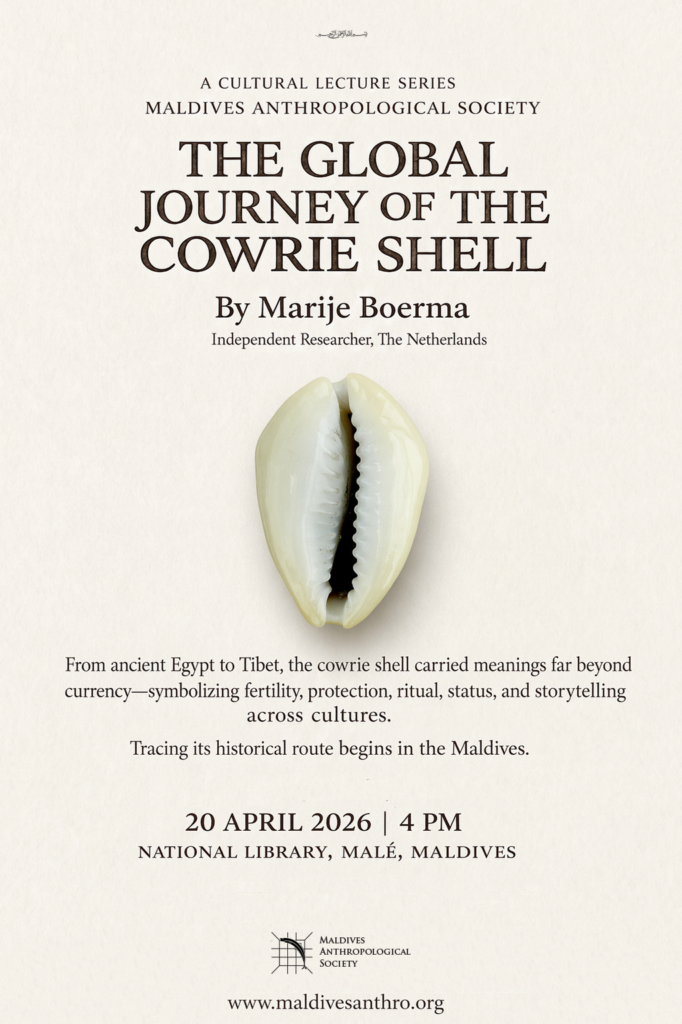
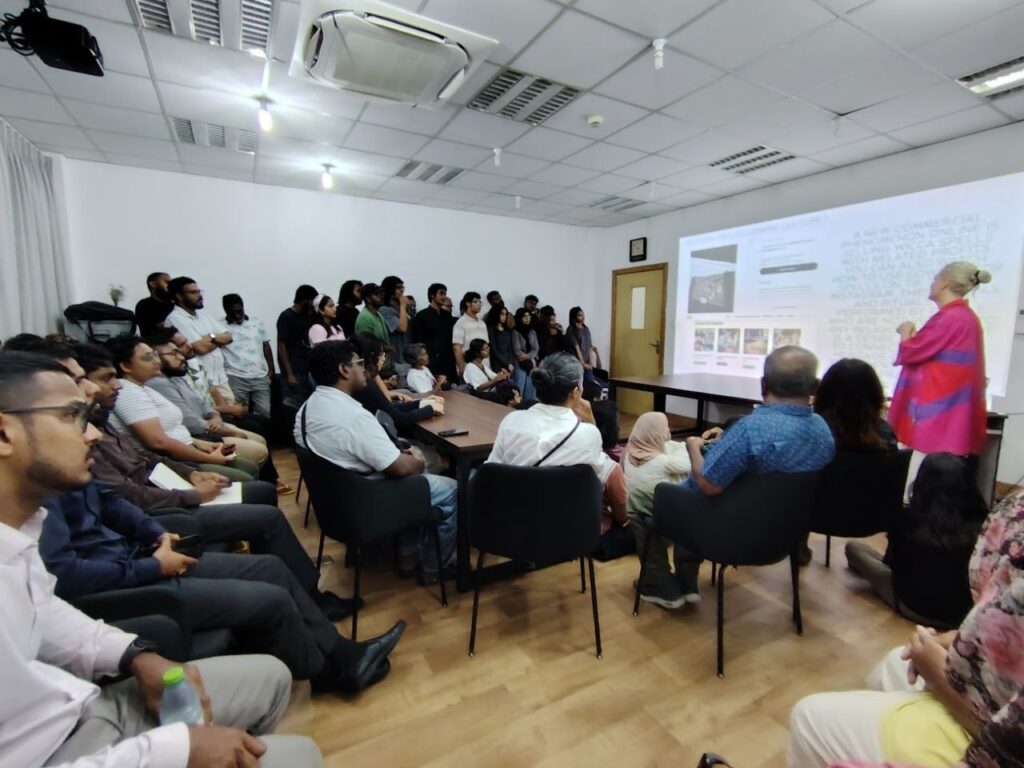
Yesterday at the National Library, the Maldives Anthropological Society hosted Marije Boerma for her talk, The Global Journey of the Cowrie Shell. To say we had a “good turnout” would be an understatement. We had prepared seating for around 30 people, but by the time we began, nearly 70 people had filled the room.
It became a bit of a logistical scramble, we ended up clearing out tables just to make room for people to sit on the floor, while many others spent the entire session standing at the back. To those who couldn’t get in because the room had reached its absolute limit, we sincerely apologize. We are clearly going to need a bigger boat next time.
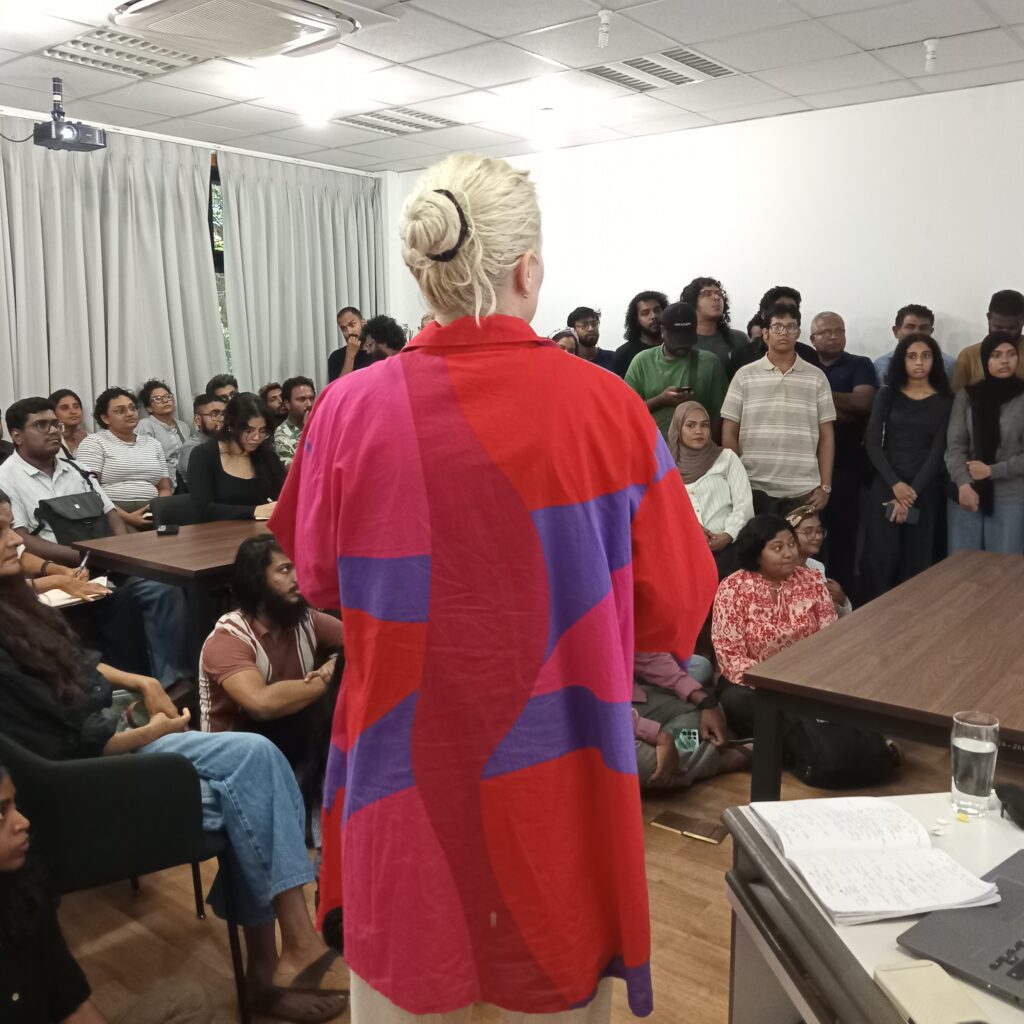
The energy in the room, however, was incredible.
Marije, an independent researcher from the Netherlands, took us far beyond the familiar story of “cowries as currency.” She traced their journey from Maldivian lagoons to ancient Egypt, China, South Asia, Africa, and the Americas, showing how these small shells became powerful symbols of fertility, protection, ritual, status, and storytelling across cultures.
It was a powerful reminder that while the Maldives was one of the great sources of cowries, the story of the shell belongs to the whole world.
What was most rewarding was not only the lecture itself, but the conversation that followed. The Q&A extended well beyond the scheduled time, with people asking thoughtful questions about ancient trade routes, the value of cowries across different societies, and how Maldives fits into this vast global story.
It became very clear that there is a real public hunger in Malé for these kinds of cultural conversations.
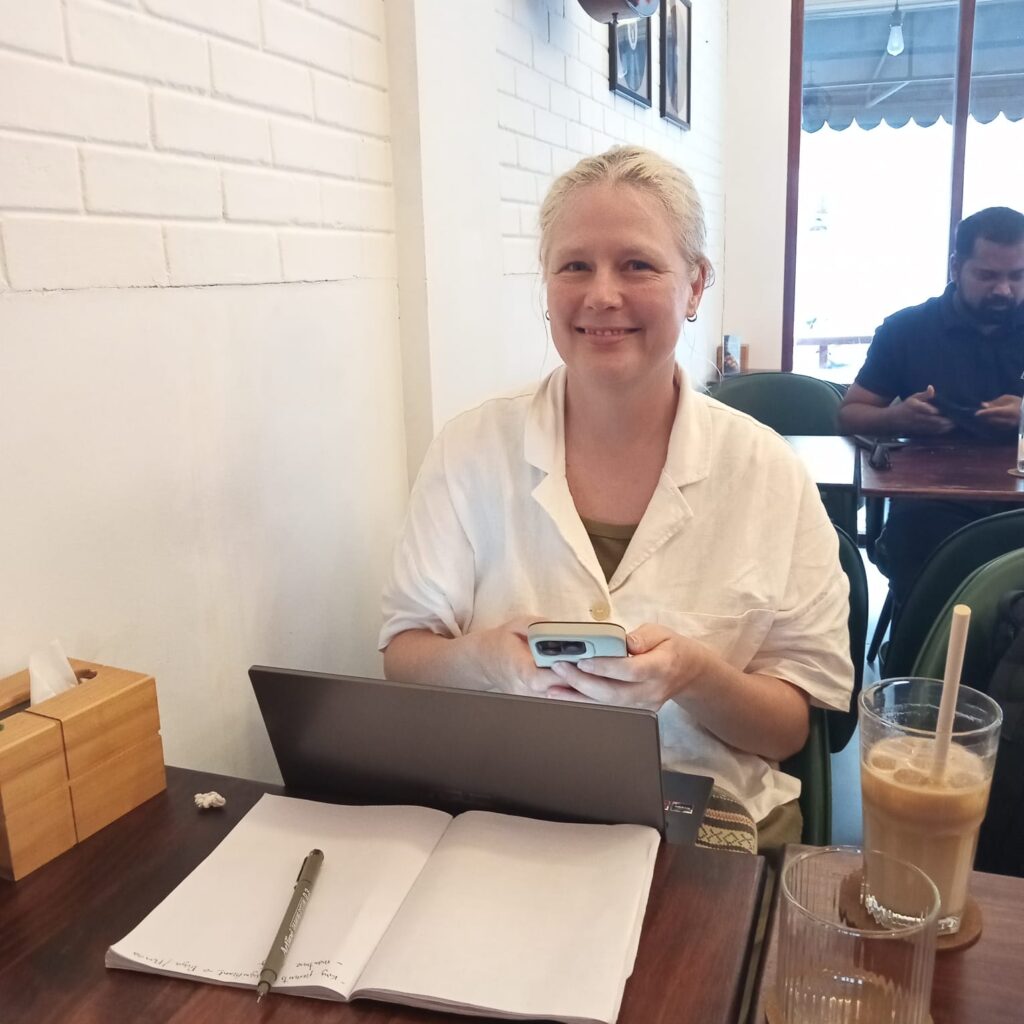
A huge thank you to Marije for sharing her research with us, and an even bigger thank you to everyone who showed up, sat on the floor, stood at the back, and stayed late to continue the discussion.
This level of engagement is exactly why we started this lecture series, and it has encouraged us to keep creating more spaces where we can reflect on our history, heritage, and place in the wider world.
We are already looking into venues for the next one.
Stay tuned for more.